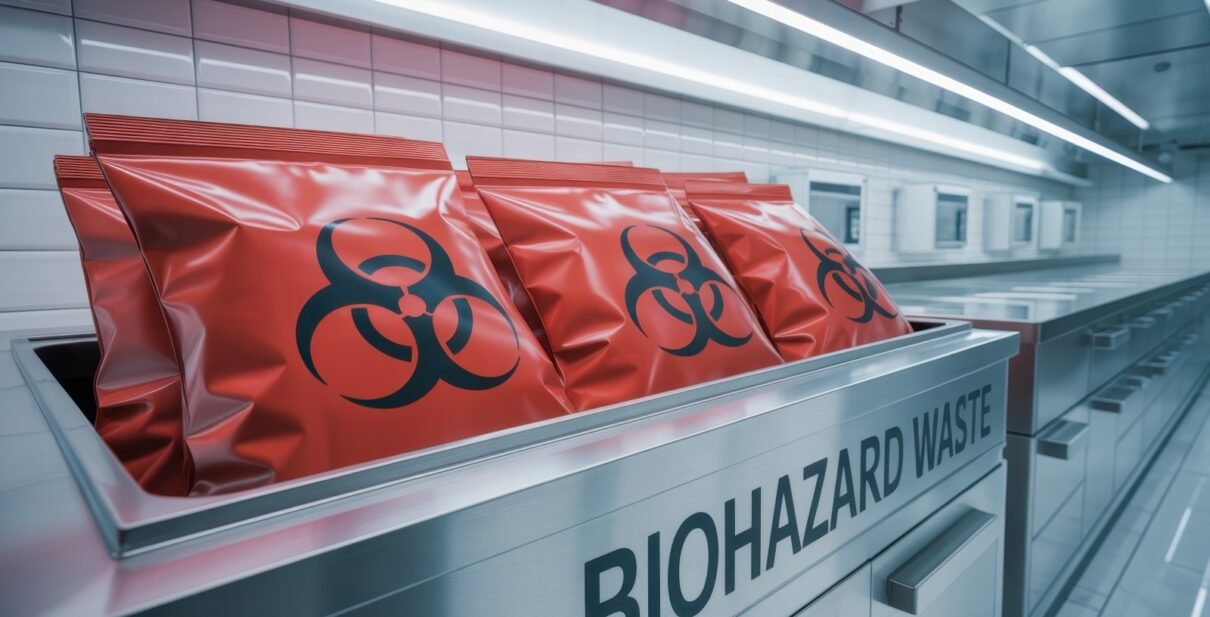
Effective management of hazardous and medical waste is a critical challenge for healthcare facilities, industrial plants, and waste management companies worldwide. Improper handling of these types of waste poses serious environmental, health, and legal risks. To address these challenges, innovative software solutions like Crabins Waste Management Software have emerged as indispensable tools for streamlining operations, ensuring compliance, and enhancing safety.
In this blog, we will explore how Crabins helps organizations manage hazardous and medical waste efficiently by leveraging technology to optimize processes, ensure regulatory compliance, and reduce operational risks.
Understanding Hazardous and Medical Waste Management Challenges
Hazardous and medical waste require special attention because they often contain harmful substances such as infectious materials, chemicals, sharps, pharmaceuticals, and radioactive elements. Some of the key challenges in managing this waste include:
- Strict Regulatory Compliance: Facilities must comply with complex regulations set by environmental and health authorities.
- Proper Segregation and Handling: Incorrect segregation can lead to contamination and health hazards.
- Tracking and Documentation: Maintaining accurate records for waste generation, transportation, treatment, and disposal is mandatory.
- Safety Risks: Exposure to hazardous waste poses serious health risks to workers and the public.
- Cost Control: Inefficient waste management processes can lead to increased operational costs and fines.
How Crabins Waste Management Software Addresses These Challenges
1. Streamlined Waste Segregation and Categorization
Crabins software allows users to define specific waste categories, including hazardous and medical waste types. Through customized workflows, waste can be accurately classified and segregated at the point of generation. This reduces the risk of contamination and ensures compliance with segregation standards.
By automating the segregation process with digital checklists and QR code scanning, Crabins minimizes human errors and simplifies training for staff.
2. Real-Time Tracking and Traceability
One of the most critical aspects of hazardous and medical waste management is traceability. Crabins provides end-to-end tracking of waste containers from the point of generation to final disposal.
Using GPS-enabled tracking devices and barcode or RFID scanning, Crabins ensures every batch of hazardous waste is monitored in real time. Fleet vehicles transporting waste are tracked for route optimization and safety, providing transparency and accountability throughout the entire waste lifecycle.
This traceability helps organizations demonstrate compliance during audits and inspections and prevents illegal dumping or mishandling.
3. Automated Regulatory Compliance and Reporting
Regulatory requirements for hazardous and medical waste vary by region and are often complex. Crabins helps organizations stay compliant by automating documentation and reporting.
The software generates all necessary compliance reports, such as waste manifests, disposal certificates, and regulatory filings. Alerts and notifications ensure deadlines are met for waste pickup, treatment, and disposal.
Crabins also keeps track of licenses, permits, and certifications required for hazardous waste handlers, drivers, and facilities, reducing administrative burdens and minimizing the risk of fines.
4. Enhanced Safety for Waste Handlers and Drivers
Crabins prioritizes safety by monitoring driver and handler behavior using telematics and sensor integrations. Real-time alerts notify supervisors of unsafe driving or handling practices, such as excessive speed, sudden braking, or improper container handling.
Additionally, the software can schedule and track safety training and certifications for personnel involved in hazardous waste management, ensuring they stay updated on best practices.
This proactive approach reduces accidents, exposure risks, and liability for companies managing hazardous and medical waste.
5. Optimized Waste Collection Routes and Scheduling
Handling hazardous and medical waste often requires strict timing and special handling conditions. Crabin’s route optimization algorithms schedule pickups efficiently, ensuring timely collection and minimizing the time waste spends onsite.
Optimized routing also reduces fuel consumption and emissions from waste collection vehicles, supporting sustainability goals while lowering operational costs.
6. Integration with Treatment and Disposal Facilities
Crabins can integrate with external treatment and disposal service providers, facilitating seamless communication and coordination. This ensures hazardous and medical waste is processed in compliance with regulations and standards.
The software tracks waste until it reaches the treatment or disposal facility, confirming proper handling and reducing the risk of non-compliance.
7. Data Analytics for Continuous Improvement
With Crabins, organizations gain access to detailed analytics dashboards that provide insights into waste volumes, handling efficiency, cost centers, and compliance status.
These analytics empower decision-makers to identify inefficiencies, predict future waste generation trends, and implement data-driven improvements in hazardous and medical waste management programs.
Benefits of Using Crabins for Hazardous and Medical Waste Management
Improved Regulatory Compliance
By automating documentation, tracking, and reporting, Crabins ensures your waste management processes comply with stringent regulations such as OSHA, EPA, HIPAA (for healthcare), and local environmental laws.
Enhanced Safety and Risk Reduction
Real-time monitoring and alerts reduce the risk of accidents and exposure to hazardous materials for drivers, handlers, and the public.
Cost Efficiency and Resource Optimization
Optimized routes, better scheduling, and predictive analytics help reduce operational costs while maintaining high service quality.
Environmental Sustainability
Minimizing improper disposal and optimizing vehicle routes reduce the carbon footprint associated with hazardous waste management.
Transparent and Auditable Processes
Complete traceability and documentation provide transparency for audits and improve trust with regulatory agencies and stakeholders.
Conclusion
Managing hazardous and medical waste efficiently is critical for environmental protection, worker safety, and regulatory compliance. Crabins Waste Management Software offers a comprehensive solution by automating key processes such as waste segregation, real-time tracking, regulatory reporting, and route optimization.
By integrating advanced technologies and data analytics, Crabins helps organizations reduce operational risks, lower costs, and improve sustainability in hazardous and medical waste management. Investing in such smart software solutions is not just beneficial but essential for companies striving for safer and more efficient waste operations.